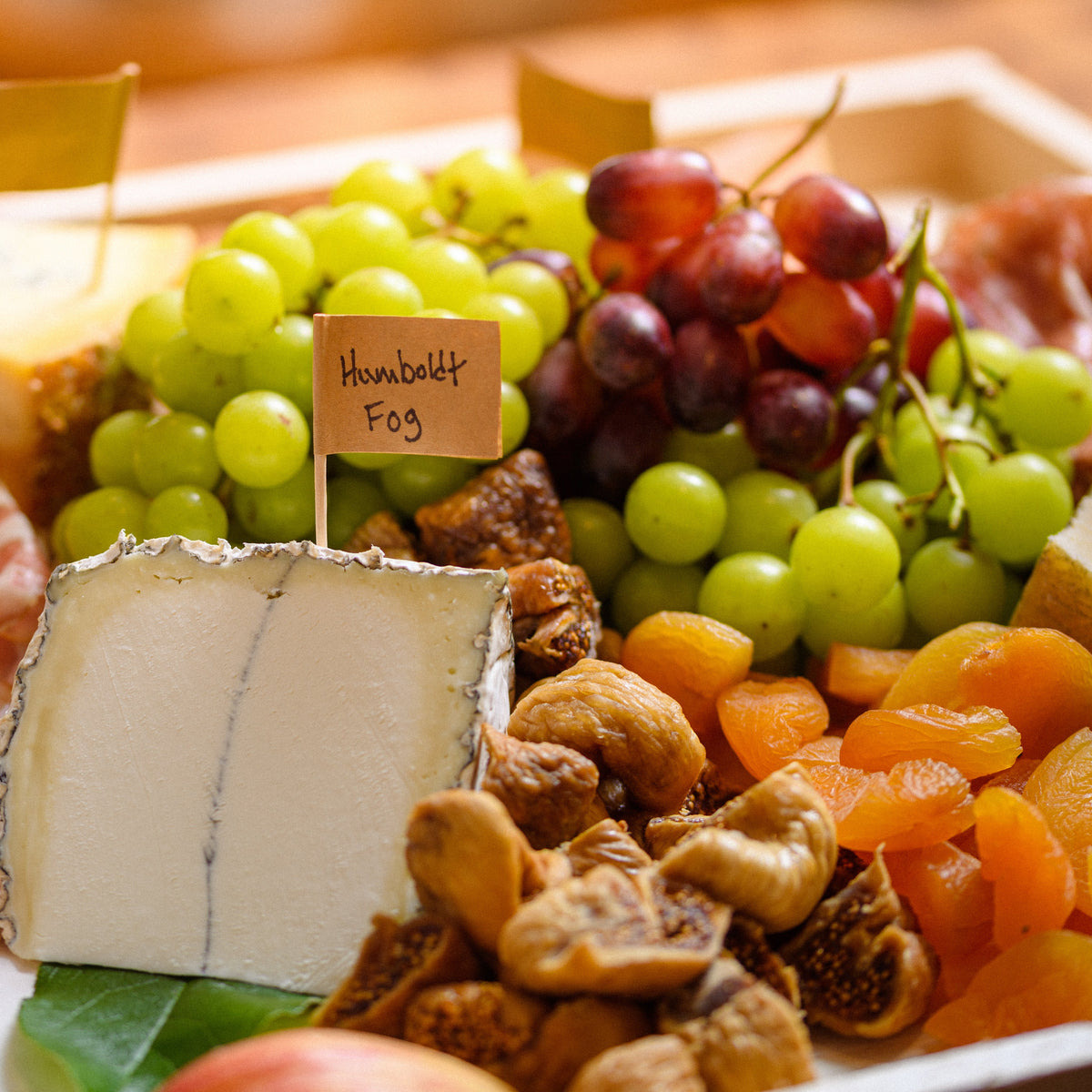
Everything You Need to Know About Cheese, Charcuterie & Ordering

Whether you’re discovering artisan cheese for the first time or looking for tips on building the perfect cheese board, our FAQ is here to help. Learn about cheesemaking, milk varieties, charcuterie, storage, shipping, and how to enjoy every bite.
How do I order cheese online?
How do I order cheese online?
You can order online for pickup at either our Fairfield or Greenwich locations. Online ordering is available seven days a week, and pickup is available Monday–Saturday from 10:30am–5:30pm.
Orders can also be placed by phone:
- Fairfield: 203.292.8194
- Greenwich: 203.340.9227
Please do not leave orders on voicemail. If the line is busy, we are helping another customer, please try again or place your order online.
Can I walk in and shop at the store?
Can I walk in and shop at the store?
Yes! We welcome walk-in customers at both locations. You can also place your order ahead of time and have it ready when you arrive.
Do you offer pickup?
Do you offer pickup?
Yes. We offer pickup at both locations Monday–Saturday from 10:30am–5:30pm.
We are closed Sundays and most holidays.
How much advance notice do I need for pickup orders?
How much advance notice do I need for pickup orders?
Online and phone orders require at least one hour of processing time. During holidays and busy periods, additional time may be needed.
We recommend ordering ahead whenever possible.
Platters require 24 hours notice for pick up.
Do you offer same-day orders?
Do you offer same-day orders?
Yes we do, cut cheeses and charcuterie require at least 1 hour, but platters require 24 hours notice. Gift boxes can be ordered for same day pick up with 1 hours notice. This may change during holiday and peak times.
Can I place an order by phone?
Can I place an order by phone?
Yes. Please call the correct location:
- Fairfield: 203.292.8194
- Greenwich: 203.340.9227
Please do not leave orders on voicemail. If the line is busy, we are assisting another customer, please try again or use our online ordering system.
Where do you ship?
Where do you ship?
We ship throughout the Continental United States.
We are unable to ship to:
- Alaska
- Hawaii
- Puerto Rico
- US Virgin Islands
- PO Boxes
- APO/FPO addresses
- International destinations
How quickly will my cheese arrive?
How quickly will my cheese arrive?
Because cheese and specialty foods are perishable, we carefully pack orders so they arrive within 1–2 days.
When do you ship orders?
When do you ship orders?
We ship Monday–Tuesday to help ensure your order arrives fresh and does not sit in a warehouse over the weekend.
How is my cheese packaged for shipping?
How is my cheese packaged for shipping?
All cheese orders are packed in insulated bags with ice packs to help maintain freshness during transit.
Will someone need to sign for my package?
Will someone need to sign for my package?
We ship using UPS Signature Release, which allows UPS to leave your package if no one is home. Please note, if the weather is hot someone needs to be home. Cheese can't sit outside in the heat!
What happens if an item I ordered is unavailable?
What happens if an item I ordered is unavailable?
We work hard to provide the freshest products possible, but many cheeses are seasonal or produced in limited quantities.
If an item is unavailable, we will contact you by phone or email with a comparable substitute. If you prefer not to substitute, we will remove the item and issue a refund.
We do not backorder products.
What is cheese?
What is cheese?
Cheese is an ancient food. It is a dairy product made by coagulating milk, removing the whey (the water) and separating the resulting solids (the curds).
How is cheese made?
How is cheese made?
Cheese begins with milk, which is combined with cultures that help develop flavor and acidity. Rennet or another coagulant is added to help the milk separate into curds and whey.
What is milk variety?
What is milk variety?
Cow’s milk cheese: Often creates buttery, creamy, and versatile cheeses ranging from mild to bold.
Goat’s milk cheese: Typically has bright, tangy flavors with a lighter texture. Aging mellows the tanginess.
Sheep’s milk cheese: Naturally rich and high in butterfat, creating cheeses with deep, concentrated nutty flavors.
What is the difference between cow’s milk, goat’s milk, and sheep’s milk cheese?
What is the difference between cow’s milk, goat’s milk, and sheep’s milk cheese?
Cow’s milk cheese: Often creates buttery, creamy, and versatile cheeses ranging from mild to bold.
Goat’s milk cheese: Typically has bright, tangy flavors with a lighter texture.
Sheep’s milk cheese: Naturally rich and high in butterfat, creating creamy cheeses with deep, concentrated flavors.
What is rennet?
What is rennet?
Rennet is one of the key components used to make almost all cheese varieties. It's a collection of enzymes that cheesemakers rely on to thicken milk, causing it to separate into solid curds and liquid whey. For millennia, this enzyme was sourced from the stomach linings of young ruminants—calves, lambs, and baby goats. This animal-derived rennet has remained a cheesemaking staple throughout much of human history.
Beyond animal rennet, cheesemakers use several alternatives to trigger coagulation. Plant-based rennet draws on the natural coagulating properties of plants such as thistle, nettles, and artichokes. Microbial rennet uses specific molds, yeasts, or fungi instead. Fermentation-based rennet takes a different approach, genetically engineering bacteria, fungi, or yeast to produce the same enzymes found in animals. Plant, microbial, and some fermentation-based rennets are considered vegetarian.
Are all cheeses made with rennet?
Are all cheeses made with rennet?
Yes, the majority are made with some type of rennet. Exceptions are cheeses like cottage cheese or fresh chevre which often use an acid like lactic acid, acetic acid (vinegar), and citric acid.
What are cheese curds?
What are cheese curds?
Curds are the solid pieces of milk proteins and fats that form when milk coagulates during cheesemaking.
The curds are separated from whey, then pressed, salted, aged, or shaped depending on the style of cheese being made.
What is whey?
What is whey?
Whey is the liquid left behind after milk separates into curds during cheesemaking.
It contains proteins and nutrients and has many uses in cooking and food production.
Why does cheese taste different depending on where it is made?
Why does cheese taste different depending on where it is made?
Artisan cheese reflects its environment. Climate, soil, animal diet, local traditions, and cheesemaking techniques all influence the finished product.
What does aged cheese mean?
What does aged cheese mean?
Aged cheese has been allowed to mature over time under carefully controlled conditions.
As cheese ages, flavors often become deeper and more complex, while textures may become firmer.
Why are some cheeses seasonal?
Why are some cheeses seasonal?
Many artisan cheeses depend on factors such as milk availability, animal diets, and traditional production schedules.
Seasonal cheeses often represent the best flavors and conditions of a particular time of year.
Why do some cheeses have holes?
Why do some cheeses have holes?
Holes, or “eyes,” form when bacteria release carbon dioxide during aging. The size and number of holes depend on the type of cheese and the cheesemaking process.
Classic examples include Swiss-style cheeses such as Emmental.
What makes aged cheese different from fresh cheese?
What makes aged cheese different from fresh cheese?
Aging allows cheese to develop deeper flavors, firmer textures, and more complex aromas.
Fresh cheeses are usually young, soft, and mild, while aged cheeses may become nutty, savory, earthy, or sharp over time.
What is a soft-ripened cheese?
What is a soft-ripened cheese?
Soft-ripened cheeses ripen from the outside in and are soft in texture. They have a white soft, edible rind. (Bloomy).
What is a bloomy rind?
What is a bloomy rind?
A bloomy rind is a soft, white edible rind created by beneficial molds during cheesemaking. The most common molds used are Penicillium Camemberti and Candidum.
Can you eat the rind on cheese?
Can you eat the rind on cheese?
Almost all rinds are edible but not all are enjoyable. Soft white rinds and washed rinds are meant to be eaten and contribute flavor and texture. Natural rinds like on the outside of Manchego or Gruyere are edible but only if you enjoy it!
What is a washed-rind cheese?
What is a washed-rind cheese?
Washed-rind cheeses are washed during aging with liquids such as brine, wine, beer, or spirits.
This process encourages flavorful rinds and creates cheeses known for savory aromas and rich, complex flavors.
What is blue cheese?
What is blue cheese?
Blue cheese is made with specific molds that create blue or green veins throughout the cheese.
Flavors can range from mild and creamy to bold, spicy, and savory.
What are fresh cheeses?
What are fresh cheeses?
Fresh cheeses are young cheeses that are not aged or are aged only briefly.
They are often soft, creamy, and mild, with flavors that highlight the freshness of the milk.
How do I build a cheese board?
How do I build a cheese board?
A great cheese board balances different milk types, textures, and styles.
How many cheeses should I serve on a cheese board?
How many cheeses should I serve on a cheese board?
For most gatherings, three to four different cheeses provide a good variety without overwhelming guests.
How much cheese should I buy per person?
How much cheese should I buy per person?
For a cheese board appetizer, plan for approximately 1 oz of cheese, per cheese per person. So if you are serving 8 people you will need 8oz of each cheese you choose.
What should I serve with cheese?
What should I serve with cheese?
Popular cheese accompaniments include crackers, bread, fruit, nuts, honey, preserves, olives, and cured meats.
The best pairings balance flavors and textures.
Should cheese be served cold?
Should cheese be served cold?
Cheese is best enjoyed at room temperature.
Remove cheese from the refrigerator about 30–60 minutes before serving to allow the flavors and aromas to fully develop.
What is charcuterie?
What is charcuterie?
Charcuterie refers to prepared meat products traditionally made through curing, smoking, or aging.
Examples include:
- Prosciutto
- Salami
- Soppressata
- Mortadella
- Pâté
Charcuterie pairs beautifully with cheese because the salty, savory flavors complement the richness of dairy.
How do I pair charcuterie with cheese?
How do I pair charcuterie with cheese?
The best pairings balance flavors and textures.
Try pairing:
- Creamy cheeses with salty cured meats
- Bold cheeses with milder meats
- Aged cheeses with intensely flavored charcuterie
How much charcuterie do I need per person?
How much charcuterie do I need per person?
For an appetizer board, plan for approximately 1–2 ounces of charcuterie per person, depending on how much cheese and other food will be served.
How should I store cheese?
How should I store cheese?
Keep cheese refrigerated and wrapped properly to maintain freshness. We recommend storing cheese in the cheese paper we sent it home with you in. It is specially designed to allow the cheese to breath and slow mold growth. If the paper is not reusable, wrap your cheese in parchment or wax paper and store in a plastic bag. Give it some air every few days.
How long does cheese last?
How long does cheese last?
The shelf life of cheese depends on the style.
Fresh cheeses are best enjoyed quickly, while aged cheeses can often be enjoyed for several weeks when properly stored.
Can cheese be frozen?
Can cheese be frozen?
Some cheeses can be frozen, but freezing may affect texture and flavor.
For the best experience, we recommend enjoying artisan cheeses fresh whenever possible.
Can I eat cheese after mold appears?
Can I eat cheese after mold appears?
It depends on the type of cheese. You can cut off any surface molds on semi firm, firm and hard cheeses and continue to enjoy them. Fresh cheeses and soft ripened cheeses should be discarded if pinkish molds and other colors appear.
How do I cut different types of cheese?
How do I cut different types of cheese?
We recommend serving your cheeses whole with a knife for each type. Precutting cheese leads to dried out cheese. Sometimes it is helpful to cut the first piece so your guests know which way to go. Ask your cheesemonger for help if you need guidance.
How long can cheese sit out?
How long can cheese sit out?
Most cheeses are best enjoyed after sitting at room temperature for 30–60 minutes before serving. Cheese is a fermented food, so it doesn't need refrigeration for safety (fresh cheeses are the exception), but for quality, store it long-term in the refrigerator.